



FAQs

Frequently Asked Questions
-
The timeline for tennis court construction depends on factors like site preparation, weather conditions, and surface type. On average, it takes 4 to 6 weeks from excavation to final surfacing.
-
Tennis court installation includes site grading, drainage setup, base preparation, surfacing, and fencing. A professional tennis court builder ensures proper leveling and material selection for durability.
-
Sports court design considers dimensions, surface material, lighting, fencing, and player preferences. Whether for tennis, basketball, or multi-use courts, customization ensures optimal playability and longevity.
-
Routine tennis court maintenance, including surface cleaning, crack repairs, and repainting, helps extend the lifespan of the court. Monthly inspections and annual resurfacing ensure consistent performance.
-
Regular tennis court cleaning removes dirt, mold, and debris that can cause surface deterioration. Pressure washing and specialized treatments keep the court safe and in top condition.
-
Yes, timely tennis court crack repair prevents further damage and extends the life of the playing surface. Crack fillers, resurfacing, and sealants restore smoothness and prevent costly reconstruction.
-
Basketball court installation offers multiple surface options, including asphalt, concrete, and cushioned acrylic. Choosing the right material depends on durability, maintenance needs, and performance preferences.
-
Tennis court resurfacing typically lasts 5 to 8 years, depending on usage and climate conditions. A high-quality resurfacing job improves traction, aesthetics, and overall playability.
-
Proper drainage in tennis court construction prevents water accumulation and surface damage. Sloping, perimeter drains, and porous materials help maintain a dry and even playing field.
-
Tennis court installation may require zoning permits, drainage approvals, and environmental assessments. A professional contractor ensures compliance with local regulations.
-
Sports court design accounts for climate factors like temperature fluctuations, rainfall, and sun exposure. Using weather-resistant materials minimizes wear and extends surface longevity.
-
Winter tennis court maintenance includes removing debris, covering the surface, and ensuring proper drainage. Avoiding water accumulation prevents cracks and prolongs the court’s lifespan.
-
Proper sub-base preparation, crack sealing, and regular maintenance help prevent new cracks after tennis court resurfacing. Routine inspections allow for early detection and repairs.
-
Yes, existing tennis courts can be adapted for multi-use by modifying surface coatings, adding new line markings, and installing adjustable net systems.
-
Fencing enhances safety and keeps balls within play. Tennis court installation often includes chain-link or vinyl-coated fencing to provide durability and visibility.
-
New construction typically ranges from $100,000 to over $200,000 depending on excavation needs and lighting. In high-end markets, we focus on premium post-tensioned concrete to ensure the longest lifespan.
-
Yes. This is our most requested service. One standard tennis court can be converted into up to four pickleball courts, significantly increasing the utility of your property.
-
In the Northeast, we recommend a professional deep clean every 1–2 years to prevent organic growth (mold/algae) from degrading the acrylic surface.
-
We recommend all-weather acrylic surfaces or post-tensioned concrete, which resists the “freeze-thaw” cycles common in Massachusetts and New York better than standard asphalt.
-
A standard resurfacing project usually takes 3 to 5 days of clear weather. We schedule these carefully during the dry summer months to ensure proper curing.
-
Absolutely. We provide seasonal opening/closing, crack filling, and power washing packages tailored to high-traffic facilities in areas like Lenox and Hartford.
-
Most cracks are caused by asphalt shrinkage or groundwater issues. We use specialized membrane repair systems (like Armor Crack Repair) to bridge these gaps before they become structural problems.
-
Yes, we install high-efficiency LED sports lighting designed to minimize light spill into neighbors’ yards—a common requirement in affluent residential zones.
Explore Our Wide Range of Services

Tennis Court Construction
Transform your outdoor space with our tennis court construction services. We specialize in tennis court installation using premium materials like Northeast Fast Dry™ and DecoTurf. Our experienced team ensures each court is built with precision, allowing for optimal performance and durability. Whether you need a new court or a renovation, our expertise will bring your vision to life.
Sport Surface Installation
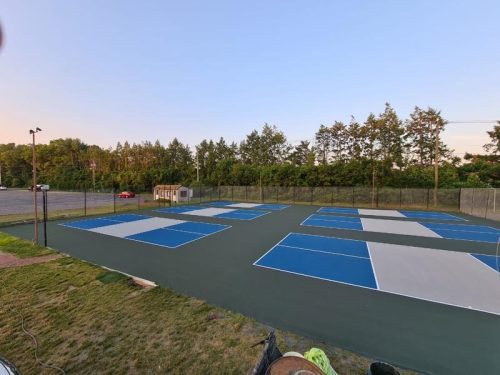
Our sports court design services cater to a variety of athletic needs. We offer basketball court installation, pickleball court installation, and more, creating versatile multi-use sports surfaces. Our team can convert your existing tennis or badminton court into a dynamic sports court tailored to your specific activities. Trust us to deliver high-quality installations that elevate your sporting experience.

Tennis Court Maintenance
Regular tennis court maintenance is essential for preserving the longevity of your playing surface. We provide reliable services, including tennis court crack repair and fence installations, to keep your court in top shape. Using advanced tools like Brutus rollers, we ensure thorough maintenance for various surfaces, including golf greens and driveways. Our focus on detail guarantees your court remains playable and attractive year-round.
Tennis Court Cleaning
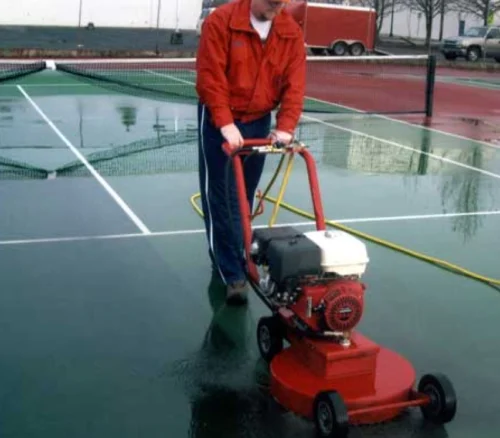
Our tennis court cleaning services use state-of-the-art RCM-patented surface cleaning machinery. This innovative equipment cleans without leaving marks or damaging surfaces, unlike typical pressure washers. We ensure your court is restored to its best condition, imporving playability and aesthetics. With our efficient and economical cleaning solutions, maintaining your court has never been easier.

Design Your Dream Court with Us!
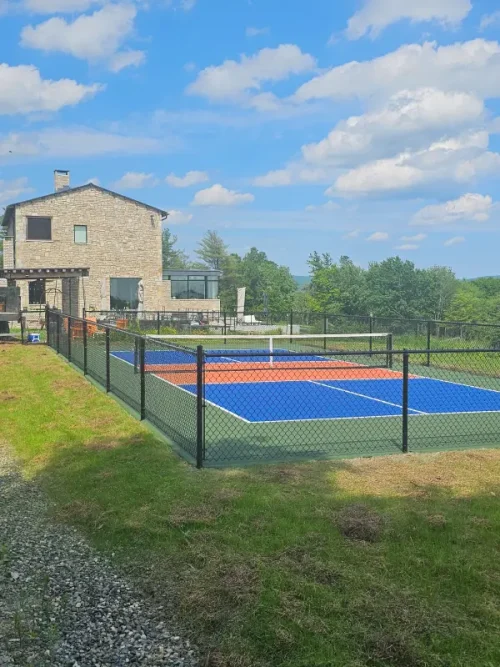
Looking forward to a personalized tennis court? Contact us today to bring your vision of the perfect tennis court to life!
-
Call Now
-
Email
-
Location
Lenox, MA
